What Golf Shoes Should You Choose? A Complete Guide to Getting It Right
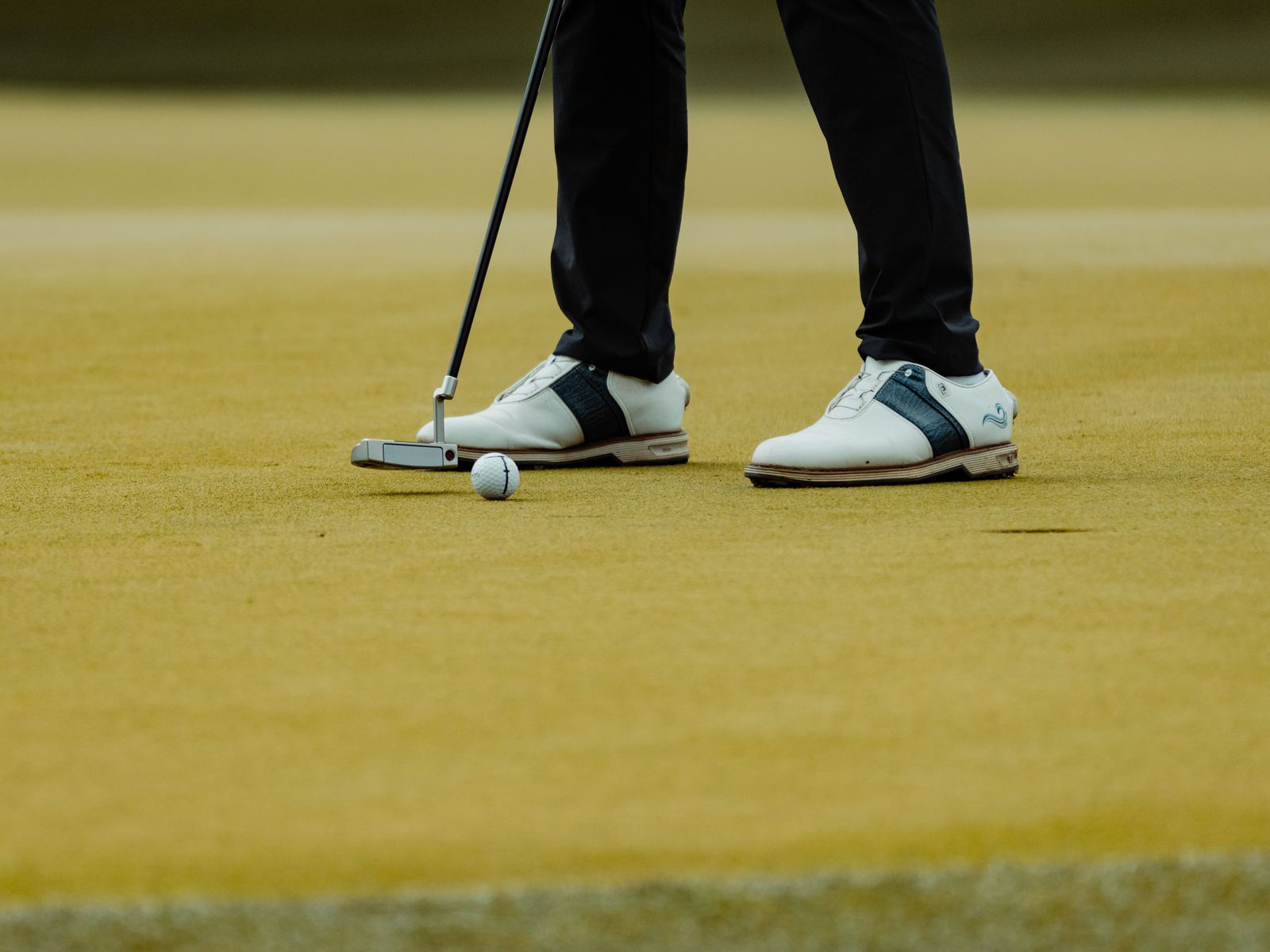
Choosing the right golf footwear can make the difference between a comfortable round and a day of discomfort, slips and fatigue. It is not just about looks: golf shoes are a technical tool that directly affects your stability, your swing and your performance on the turf. Whether you are about to buy your first pair or want to replace the one you already have, this guide gives you everything you need to know to make the right decision.
Why golf shoes are not like any other sports footwear
Many players, especially those just getting into the sport, underestimate the importance of specific footwear. And it is a mistake you pay for on the course. Golf shoes are designed to solve a very specific problem: giving you grip and stability on constantly changing surfaces, from the wet rough to the bunker sand or the most compact green.
The key lies in the sole. Unlike running or training footwear, the sole of a golf shoe distributes pressure evenly throughout the swing, prevents the foot from slipping at the moment of impact and protects the integrity of the course turf. That relationship between player and ground is fundamental, and no conventional shoe can replicate it effectively.
In addition, a round of 18 holes means walking several kilometres. That makes comfort and cushioning just as important as grip. A well-chosen technical golf shoe keeps you fresh, stable and focused throughout the four or five hours a round lasts.
Book your next round at the best courses in Spain
The key differences between spiked golf shoes and spikeless golf shoes
For decades, the only option available was shoes with metal spikes. Today the market offers a much wider variety, and the debate between spiked and spikeless remains one of the most common among enthusiasts. Understanding the real differences will help you choose without being swayed by trends.
Traditional spiked shoes
Spiked shoes offer the firmest grip on the ground, especially on long or wet grass. Today almost all spikes are made of soft plastic: many clubs do not allow metal ones in order to protect the greens, so it is worth checking the course's rules. The drawback is that they are not suitable for walking on hard areas of the course, such as paths or terraces, since the impact on rigid surfaces is uncomfortable and can damage the paving.
Many golf courses in Spain, such as Islantilla Golf Resort or Golf Costa Adeje, have their own footwear policy, so it is worth checking it before you buy.
Spikeless golf shoes
Spikeless golf shoes have gained enormous prominence in recent years. Their sole features a system of integrated rubber nubs or lugs that provide more than enough grip on the vast majority of courses and in moderate weather conditions. Their main advantage is versatility: you can wear them from the car park to the 18th hole without feeling any discomfort.
They are ideal for players who also value everyday comfort, for those who play on courses with very well-kept greens where spikes are discouraged, and for anyone who wants footwear with a more urban look but genuine technical performance. The spikeless golf shoe market has evolved so much that today many advanced-level players use them without giving up anything in terms of performance.
| Shoe type | Grip | Comfort off the fairway | Versatility | Recommended for |
|---|---|---|---|---|
| Metal spikes (banned on many courses) | Maximum | Low | Limited | Competitive players, wet terrain |
| Plastic spikes | High | Medium | Medium | All types of players |
| Spikeless | Good-High | High | High | Frequent players, well-kept courses |
What to look for in waterproof golf shoes
The weather on the Iberian Peninsula is generous, but anyone who has played on a Costa del Sol course in November or at Golf de Pals first thing in the morning knows that dew and the occasional rain are a reality you have to live with. Waterproof golf shoes are not a whim; they are an investment in comfort and health.
The most common waterproof membranes in golf footwear are of the breathable synthetic type. What matters is that they offer real waterproofing, not just water resistance: a wet foot halfway through a round is not only uncomfortable but can significantly alter your posture and concentration. Look for models with sealed seams and materials of synthetic leather or treated genuine leather, since they combine protection with durability.
Tip: If you frequently play on courses with long grass or in early-morning slots, always prioritise waterproofing over design: a dry foot for four hours noticeably improves your performance and your enjoyment of the round.
That said, waterproofing must not compromise breathability. Footwear that does not breathe turns the foot into a humid environment inside, which is equally harmful. The key lies in the materials: the best waterproof golf shoes on the market combine a waterproof membrane with a breathable lining to achieve that balance. Always read the technical specifications before buying.
A guide to choosing the best golf shoes for your profile
There is no single model that works equally well for every player. The ideal footwear depends on your level of play, how often you go out on the course, the type of terrain you frequent and your comfort preferences. Below are the most common profiles and what to look for in each case.
Beginner or occasional amateur player
If you are just starting to play or go out on the course less than once a week, the smartest choice is a pair of spikeless golf shoes with a good rubber sole and a comfortable design. You do not need professional technology, but you do need footwear that gives you basic stability and holds up well on the walk. Prioritise comfort over technical performance and choose a model with some waterproofing so you are not caught out by the weather.
Regular player with a medium-high level
If you play several times a week and want to improve your scores, footwear starts to become part of your technical equipment. In this case, it is worth investing in better golf shoes with a system of interchangeable plastic spikes, an ergonomic insole and a waterproof membrane. Lateral stability during the swing takes on importance, and you must make sure the toe and heel are well reinforced. Look also for a good closure system, whether standard laces or a Velcro or dial adjustment system, to ensure the foot does not move inside the shoe.
Senior player or player with foot injuries
For older players or those with plantar problems, cushioning and the width of the last are priorities. Many brands offer golf shoes in wider sizing, with gel or memory-foam insoles, ideal for long walks across the course. Avoid overly rigid models and opt for a flexible sole that accompanies the foot's natural stride.
The option of golf shoes for men
The men's golf shoe market has grown notably, with proposals ranging from the most technical and understated models to designs inspired by urban footwear or the sneaker. If the aesthetic aspect matters, today it is perfectly possible to find footwear that works on the course and that you can also wear to the clubhouse without looking out of place. The key is not to sacrifice technical features for design: grip, waterproofing and stability must always be present.
Materials and construction that make the difference in golf footwear
Beyond the type of sole, the material of the upper (the top part of the shoe) largely determines the durability, weight and comfort of the footwear. These are the most common materials and what you should expect from each:
Genuine leather: Hard-wearing, mouldable with use and premium in appearance. Ideal for players who want long-term durability. Requires periodic maintenance.
Synthetic leather: Lighter and easier to clean than natural leather. Offers good baseline waterproofing and lower maintenance cost.
Technical textile mesh: Provides lightness and maximum breathability. Less water-resistant unless it has a built-in membrane. Very comfortable in summer or in warm climates.
Hybrid materials: Combine leather or synthetic panels with mesh zones to balance protection and ventilation. They are the most common in today's mid-to-high range models.
The construction of the heel and the lateral reinforcement is also important: the more structured the footwear is in those areas, the greater the stability you will have during the rotation of the swing. Do not skimp on that point if you play with some frequency.
Discover the selection of courses available on Teetimesbooking
How to care for your golf shoes so they last longer
A good investment in golf footwear deserves proper maintenance. Well-cared-for shoes can stay with you for several seasons without losing their technical properties. These are the basic habits that extend the service life of any model:
Clean off the mud and grass after each round, preferably with a soft-bristle brush and lukewarm water.
Let the shoes dry at room temperature, away from direct heat sources such as radiators or direct sun, since heat damages the adhesives and the materials.
Use a specific polish or conditioner if the model is genuine leather: it keeps it flexible and prevents the material from cracking.
Check the spikes periodically if your model has them. Worn spikes lose grip and can affect your stability. Replace them when you notice they are flat or uneven.
Store the shoes with wooden shoe trees or newspaper inside so they keep their shape between rounds.
With this basic care, your golf footwear keeps its functional properties for much longer and saves you from having to replace it sooner than expected.
When it is time to replace your golf shoes
Even with the best maintenance, there comes a point when golf footwear loses its properties. There are clear signs that tell you the time has come to change:
The sole is visibly worn or the spikes cannot be replaced due to structural deterioration.
The foot starts to slip during the swing despite the apparent grip of the footwear.
The inner lining is deteriorated and causes chafing or blisters.
The waterproofing has disappeared and the foot gets wet even in light rain or dew.
The cushioning no longer protects the foot after several hours of walking.
If you recognise any of these signs, replacement is an investment, not an expense. Golf footwear in poor condition can affect your posture, your swing and, in the long run, your joint health.
Footwear, part of a complete experience on the course
Golf shoes are the point of contact between your body and the ground. Everything that happens in the swing, from the rotation to the weight transfer, starts at the feet. That is why choosing your footwear well is as important as choosing your clubs well or knowing the course you are going to play.
Once you are clear on which shoes you are going to play in, the next step is choosing where to play. Courses such as Calanova Golf Club, Los Naranjos Golf Club or Atalaya Golf offer a first-class experience where it is well worth breaking in your new footwear. On Teetimesbooking you can book your tee time quickly and easily at dozens of courses across Spain and Portugal.
Book your tee time at the best courses in Spain and Portugal


Comentarios
Publicar un comentario