Scramble in Golf: What It Is and How This Team Format Works
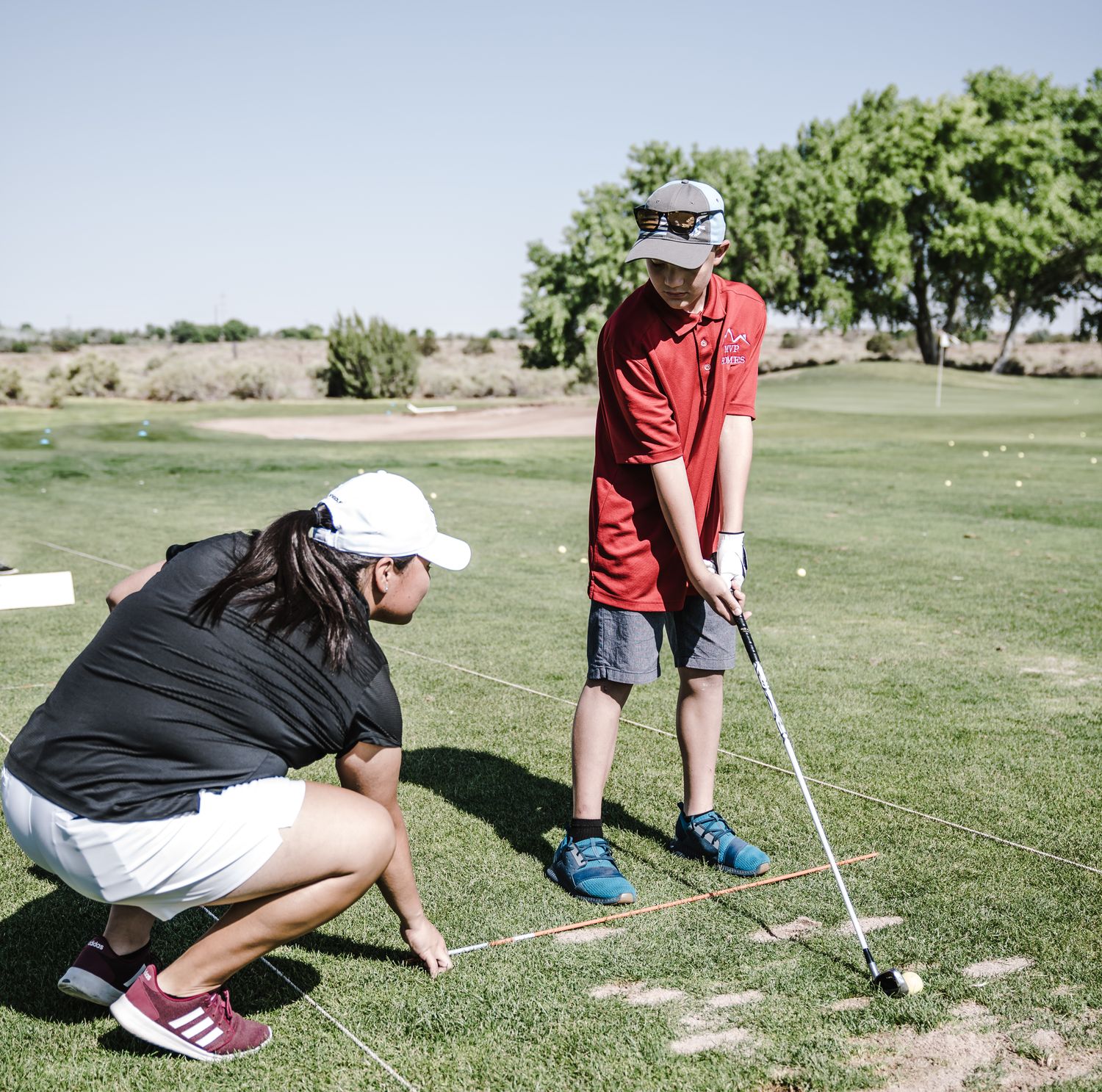
Scramble in golf is one of the most common team formats in corporate tournaments, charity days and games between friends. If you have ever taken part in a social golf competition, you have very likely played this format or, at least, heard of it. Its collaborative mechanics make it a very comfortable option both for experienced players and for those taking their first steps on the fairway.
Understanding well how scramble works not only helps you enjoy it more, but also to plan the team’s strategy from the first tee. In this article we review the rules of scramble clearly: from the basic definition to the most common variants in golf tournaments.
What scramble in golf is
Scramble is a team play format in which all players hit the ball on each turn, but only the most favourable shot of the group is used to continue. In other words, the team collectively chooses the best shot of each play and from that position everyone plays again together. The process is repeated hole after hole, until the ball is holed.
Teams in a golf scramble are usually made up of two, three or four players, although the most widespread variant in amateur tournaments is the four-person one. That is precisely the key to this format: nobody is left out. Every shot counts because any member of the team can play the best shot of the hole, regardless of their level.
This collective nature radically differentiates it from individual stroke play or traditional stroke play. In scramble, a bad shot never definitively penalises the team, since there is always the possibility that another teammate has found a better position. That safety net is what makes this format so attractive to players of all profiles.
How to play scramble step by step
The dynamic of a scramble round always follows the same logic, but it is worth knowing it well to avoid doubts during the round. The process on each hole is as follows:
All players tee off. On each hole, the team members hit from the teeing area with their own ball.
The best tee shot is chosen. The team decides which ball is in the most favourable position, by distance, angle or situation on the course, and everyone moves to that point.
Everyone plays the second shot from the chosen position. Each player places their ball no more than one club length (or an equivalent distance according to the tournament rules) from the selected ball, without getting closer to the hole.
The process is repeated until holing out. On each successive shot the same mechanics apply: play, choose the best result and everyone starts again from that position.
On the green the dynamic is maintained. Even for putts, the team chooses the best result and everyone else putts from that position until holing out.
Check the FAQ before booking
This process is repeated over the 18 holes of the round. The team’s result on each hole is the number of strokes they needed to hole out from the first tee to the last putt. In the end, the results of all the holes are added up to obtain the team’s final score.
Tip: on the green, always mark the chosen ball before the other teammates pick up theirs. That way you will avoid confusion about the exact position from which to putt.
Basic scramble rules in golf you should know
Although scramble in golf is a relatively free format in terms of organisation, there are some fundamental rules that apply in most tournaments:
Ball position: when the team chooses a shot and the others must place their ball to play from that point, it is always placed in the same area but without getting closer to the hole. On the green, the exact point is marked and each player putts from there.
Minimum tee shots per player: in many tournaments each team member is required to contribute a minimum number of tee shots throughout the round. This prevents the team from always depending on a single player’s drive.
Out of bounds or lost ball: if the selected ball goes out of bounds or is lost, the general rules of golf apply for that case. The team must use another of the shots played that turn or, if there is no valid one, apply the corresponding penalty.
Bunkers and hazards: when the chosen ball falls in a bunker, all players must place their ball inside the same bunker to play the next shot. It cannot be placed outside the hazard.
The result is recorded as the team’s: in scramble there are no individual results. Only the collective score exists.
These rules may vary slightly according to the conditions of each tournament, since the organising committee is free to set additional local rules. That is why, before heading out to the course, it is always worth reviewing the tournament’s conditions sheet.
The most common scramble format variants in tournaments
The basic scramble gives rise to numerous variants that add strategic nuances or simply modify the dynamic to make it more interesting. The most common in golf tournaments in Spain are:
| Variant | Description | Key feature |
|---|---|---|
| Texas Scramble | Teams of four players | Requires a minimum number of drives from each member |
| Florida Scramble | Teams of two or four | The player whose shot is chosen does not play the next one |
| Individual scramble | A single player | Each player hits two shots and chooses the best each turn |
| Pairs scramble | Two players | Standard mechanics but with only two members per team |
The Texas Scramble is probably the most popular variant in organised tournaments. By requiring each player to contribute their own tee shots during the round, greater participation of all members is encouraged and the team is prevented from relying too much on the longest player’s drive. This balances the game and demands a real collective strategy.
The Florida Scramble introduces a very interesting additional element of tension: the player who plays the best shot of each turn is excluded from the next one. So the team can never lean on the same player twice in a row, which requires everyone to maintain a consistent level of play throughout the entire round.
Why scramble is the ideal format for golf tournaments and events
The popularity of scramble in golf as a tournament format has a clear explanation: it reduces individual pressure and makes it easy for everyone to take part. In a traditional stroke-play format, one bad hole can ruin the whole card. In scramble, that bad hole simply does not exist if a teammate has played a good shot.
This makes it a very common format in corporate tournaments, charity events, course presentation days and competitions where the main goal is for all participants, whatever their handicaps, to enjoy a complete experience on the course. If you are looking for an accessible destination for groups, you can take a look at all the golf courses available in Spain and Portugal before organising the outing. A player with a high handicap can contribute a good drive, an important putt or a solid iron that improves the hole’s result for their team.
In addition, scramble is especially suitable for those who do not have an official handicap or have just started in golf. As there is no pressure over the individual result, less experienced players can take part on equal terms and feel that their contribution has real value for the team.
See golf courses in Spain and Portugal to organise your next tournament
How the handicap affects the golf scramble
The treatment of the handicap in a scramble tournament always depends on the conditions of play set by the committee. There is no universal formula, although there are several common methods:
Without handicap: many scramble tournaments are played without applying any kind of handicap compensation, especially in social events where the goal is to have a good time.
Calculated team handicap: in more competitive tournaments, a team handicap is usually calculated from the players’ individual handicaps. A frequent formula consists of taking a percentage of each player’s handicap (for example, 25% of the best player, 15% of the second, 10% of the third and 5% of the fourth) and adding them to obtain the team’s collective handicap.
Single handicap: in some formats only the handicap of the team’s highest-index player is applied.
The goal of these formulas is always the same: to level the competition between teams of different profiles and ensure that victory does not depend solely on the players’ technical level, but also on coordination and collective strategy.
Strategy to win a golf scramble tournament
Taking part in a scramble is not only a matter of playing well individually. Collective strategy makes an enormous difference between the teams competing for the top places and those simply enjoying the day. Some principles worth keeping in mind:
Share out the roles. Identify which player on the team is the longest with the driver, who has more control in the short game and who putts best under pressure. That does not mean the others should not try every shot to the maximum, but knowing who to trust in each situation helps manage expectations.
Don’t give up on difficult shots. In scramble, if the team already has a ball in a good position, some players may be tempted to take risks on their own shot. Take advantage of that safety net to attempt shots you would not normally play, such as a long iron over a water hazard or an aggressive drive skirting the rough.
Pay attention on the green. It is where the hole is most often decided in a scramble. The first player to putt can read the line for the others, and that information helps the rest of the team adjust power and break.
Communicate constantly. Choosing the best shot each turn must be done with judgement, not by preference. If there is doubt between two balls, the position relative to the next hazard and the angle towards the green should weigh more than pure distance.
Courses like Sherry Golf Jerez or Islantilla Golf Resort are regular venues for scramble-format tournaments in the south of Spain, with layouts that test both the team’s long game and short game.
Scramble in golf as a social experience
Beyond the competition, scramble has a social component that sets it apart from almost any other golf format. The joint decision-making, the shots that generate reactions from the team, the putts that everyone celebrates as their own... all of that creates an atmosphere of camaraderie that is hard to replicate in individual play.
That is why, if you are thinking of organising a golf day with friends, work colleagues or family of different levels, scramble is usually one of the easiest options to set up. You do not need a low handicap or years of experience to enjoy a complete and competitive round. It is enough to want to play, communicate with the team and make the most of every shot.
If you want to put this format into practice, courses like Montenmedio Golf & Country Club or Golf de Pals offer layouts very suitable for organising a scramble day with different levels of play.
Book your green fee and organise your next scramble round
Frequently asked questions about scramble in golf
How many players make up a team in scramble?
The usual is teams of 4 players, although it can also be played in pairs or in groups of 3 depending on the tournament conditions.
Does the handicap count in a scramble tournament?
It depends on each competition. In some tournaments a combined team handicap is applied to balance the level between groups.
Can scramble be played on any course?
Yes. The format does not require special facilities, only agreeing the rules before heading out and booking the tee times in advance.


Comentarios
Publicar un comentario