Golf Practice Range: What It Is and How to Make the Most of It
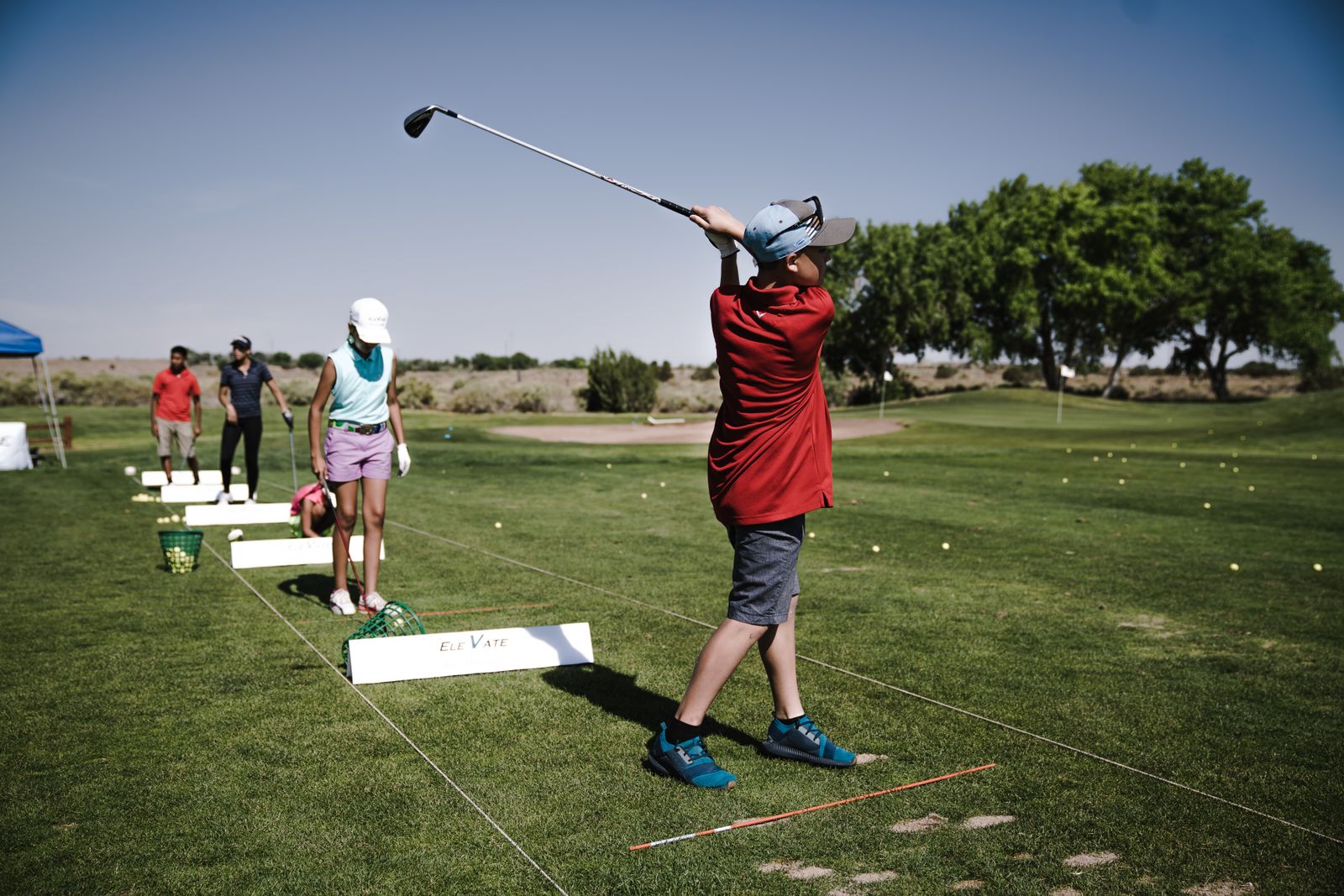
Does your swing work well during practice, but is it hard to take it to the course? The golf practice range lets you repeat shots, try adjustments and warm up before a round without the pressure of the scorecard. To make the most of it, it helps to understand what you can work on there and to organise each session with a specific goal.
What a golf practice range is
A golf practice range, also known as a driving range or practice area, is a facility designed to train shots without completing a round. There is no course to follow or scorecard to fill in: the goal is to practise in a controlled way.
The usual structure includes covered or open-air hitting bays from which balls are hit towards a field with targets marked at different distances. Some facilities add bunkers, a practice green, a chipping area or lighting. The specific services depend on each centre.
When comparing facilities, it is worth looking at the variety of distances, surfaces and short-game areas. The more situations the space lets you work on, the easier it will be to adapt the session to a specific goal.
What practising golf at the driving range is for
It is used to repeat movements, check distances and prepare for a round. Each use calls for a different session.
The practice range lets you work on swing mechanics through repetition. On the course, a missed shot counts on the card; at the driving range you can repeat it, compare sensations and adjust your posture, grip or alignment. If you are changing your technique, it is advisable to do it with the guidance of a professional.
It also lets you work on consistency and get to know the distances of each club better. You can dedicate part of the session to a specific iron, observe the dispersion of the shots and note your own reference without interrupting the rhythm of a round.
Before playing, a few warm-up shots help to activate the body and recover your rhythm. It is not about emptying a bucket of balls, but about reaching the first tee with familiar sensations.
What sets the driving range apart from the real golf course
Although they complement each other, each space serves a different function. Understanding it helps you decide when it is worth repeating a shot and when to test it on the course.
| Aspect | Golf practice range | Real golf course |
|---|---|---|
| Objective | Improve technique and mechanics | Complete the round in the fewest strokes |
| Pressure | Controlled and without a scorecard | That of a real round |
| Repetition | Repeating shots by target | One shot per situation |
| Variety of situations | Depends on the available areas | Variable conditions of the course |
| Cost per session | Depends on the bucket, time or access | Depends on the green fee and its conditions |
| Ideal for | Beginners and technical correction | Consolidating what you have learned in a real situation |
Both environments complement each other: the practice range is for repeating and adjusting; the course, for making decisions in real situations. Alternating them lets you check whether what you have worked on holds up when the lie, the wind or the pressure of the round change.
Find golf courses in Barcelona and book your tee time
How to make the most of the golf practice range
Going to the driving range without a goal can help you switch off, but it makes it harder to know whether the session was useful. These guidelines help to organise your practice.
Structure your golf practice session in blocks
A session does not have to consist of hitting the driver until you empty the bucket. You can divide it into three blocks and adjust the duration to your level, your goal and the time available:
Warm-up: start with short clubs, like a 9 iron or a pitching wedge, at progressive intensity. The goal is to activate the body and find your rhythm, not to look for distance.
Technical work: choose a specific aspect, such as contact with the ball or the starting direction. Focusing the session on one goal makes it easier to compare shots and avoid contradictory changes.
Course simulation: change club between shots and imagine situations from a real hole. This block helps you move from repetition to decision-making.
Set specific goals before each golf practice session
Before arriving at the driving range, decide what you want to work on so the session has a clear reference. It can be something as specific as “reduce the curve of my driver to the right” or “improve the consistency of contact with the 5 iron”. The more specific the goal, the easier it will be to assess whether the session was productive.
Tip: record yourself with your phone from a safe and stable position. Watching your swing from the outside can help you spot changes in posture or alignment; if you have technical doubts, check them with a teacher.
Work on the short game, not just the long shots
A frequent mistake is dedicating the whole session to the driver. The short game, with chipping, pitching and putting, also needs practice because it concentrates many decisions around the green.
If the facility has a practice green, set aside part of the session for putting and approach shots. Work on short distances, speed control and different landing points instead of always repeating the same shot.
Adapt your practice to your level
Golf practice for beginners should focus on the fundamentals: grip, posture, alignment and contact with the ball. The practice range lets you repeat them before facing the rhythm of a round. If you are starting out, a few lessons can prevent you from fixing mistakes that are hard to correct later.
Intermediate players can use the driving range to work on clubs or trajectories that give them trouble. More advanced players can dedicate it to technical maintenance and to testing decisions before taking them to the course.
How to find a good golf practice range near you
There are standalone practice ranges and others integrated into golf clubs. Before travelling, check these aspects:
Targets and references: check that there are markers at various distances and that they are visible from the hitting bay.
Condition of the balls and mats: wear can alter the feel of the strike and the reading of the ball flight.
Available areas: check whether it has a putting green, chipping, a practice bunker or specific short-game areas.
Cover, opening hours and rules: confirm whether there are covered bays, lighting, prior booking, a dress code or restrictions on use.
If you want to practise before a round, review the services of the specific club. Between the golf courses of the Costa Blanca and the golf courses of Sotogrande you will find different options; check on each listing whether it has a driving range, putting green and access hours.
The practice range as a step before the round
A common use of the driving range is to warm up before the round. Starting with progressive movements helps you reach the first tee with the body activated and a rhythm reference.
The duration depends on the time available and on each player. Start with short clubs, move to the mid ones and finish with a few tee shots without looking for maximum power. If there is a practice green, add several putts to check the speed of the surface.
If you are planning an outing, you can compare the golf courses of the Canary Islands and the courses of Madrid and surroundings. Before booking, review the practice facilities and the access conditions of each club.
Compare golf courses in Mallorca
How to take your practice to the course
Improvement comes when the work at the driving range is tested on the course. Note what you have practised, observe in which situations it works and come back to the next session with a specific goal.
Regular practice helps to reduce improvisation and to make decisions with more references. Not all adjustments work the same for every player, so it is worth evaluating results on the course and avoiding changing several things at once.
When you want to take what you have worked on to the course, you can compare courses and tee times on Teetimesbooking before organising your next round.
Frequently asked questions about the golf practice range
Do you need to book to use the practice range?
It depends on the facility. Some driving ranges allow direct access without an appointment, while others ask for booking in advance, especially at busier times or at clubs with a limited number of bays. Before travelling, it is worth checking the club’s website or calling to confirm how access works and whether there is availability at the time you are interested in.
Can you bring your own balls to the driving range?
The rule varies from centre to centre. Many practice ranges provide balls as part of the service, by bucket or by time, and do not allow you to use your own equipment in the common hitting areas. Others do allow it, especially in bays with natural grass. The safest thing is to review the course conditions before going or to ask directly at reception on arrival.
Which club is best to start with at the practice range?
There is no single answer valid for everyone: it depends on each player’s level and the goal of the session. A frequent option is to start with a short iron, like an 8 iron or a pitching wedge, to activate the body gradually before moving to longer clubs. Some instructors recommend the 7 iron as a starting point for its balance between length and control. If you are starting from scratch, the most sensible thing is to ask the club teacher before deciding which club to work with.
Explore the golf courses of the Algarve


Comentarios
Publicar un comentario